
140. NICOLA ERNI: A SPACE BETWEEN DRIVE AND JOY.
Mix and Match: Fashion Photography Meets Contemporary Art -.Nicola Erni Collection - Steinhausen,
SWITZERLAND.
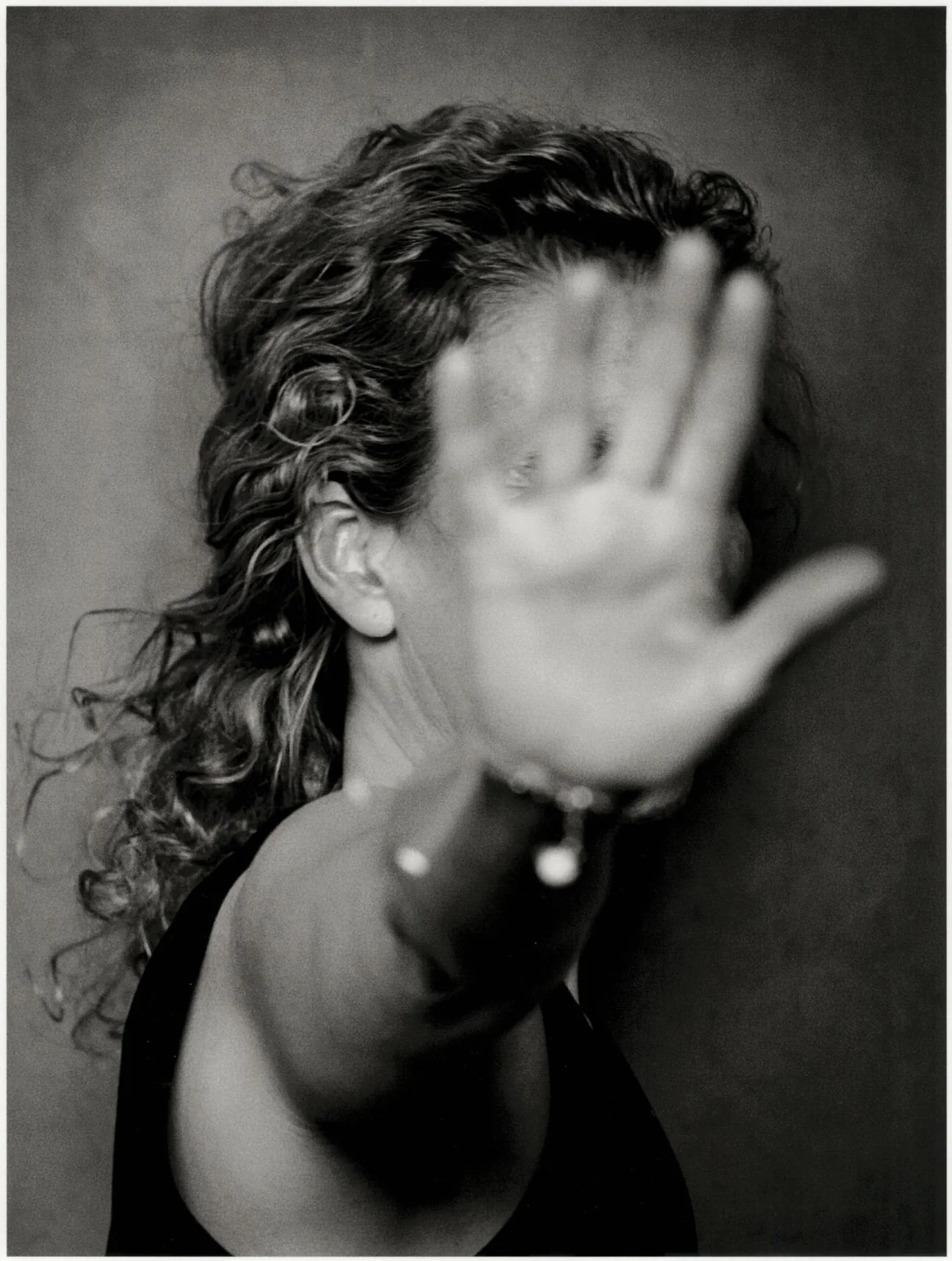
Nicola Erni © Peter Lindbergh.
‘My vision is to make the art world aware that fashion photography and contemporary art do meet on (the same) eye level…’
Nicola Erni.
The Nicola Erni Collection is a powerful example of instinctive choices and creative release, appearing as a home where visitors experience images, objects and are invited to contemplate within a series of spaces. When you are responding to the choices to realise this space, what were the signalling moments in its realisation?
When we were planning the first collection building in 2010, the focus was really to design a space around the collection at that time – large rooms to install the paintings by Julian Schnabel, Robert Rauschenberg, etc. and different smaller rooms for the photography collection, especially Zeitgeist & Glamour. I never thought of a classical museum but rather an «extended living room.» The second building, finished in 2020, has a different approach. The focus was more on the architecture and the idea of creating an artwork to experience all the different levels and perspectives of the open rooms. Talking about interior design, I really wanted to feel joy when looking at the collection and feel ‘at home’. By having colourful walls, cosy sofa launches, well-curated interior design in “high and low style”, and playing with textiles and patterns, I want to make people feel at ease when they come to experience the Nicola Erni Collection. There is always music playing, and books and magazines are lying around. For me, this is the soul of the space. Giving people the feeling of being welcome, immersing themselves in another atmosphere and showing them a different philosophy of presenting art.
The role of the collector and custodian is historically important and notable for creative industries. Do you feel your role has changed within your journey?
Yes, definitely! For a long time, I didn’t even consider myself a collector. So the way I viewed myself changed too. Now, as the Nicola Erni Collection is involved in international exhibitions through its loan programme and publishes books lately with the publishing house Phaidon, I see how we can support artists by giving them a platform or helping them make important connections. My eye has developed further through the era, and I look at art differently today than 20 years ago. Because the collection has grown massively over the years, I can combine all the genres differently and set those in amazing new contexts. The best example is “Mix & Match”.
You are known and respected as being a champion for artists. What would you like your legacy to be?
What a compliment, thank you! You know, an important part of my collection is on fashion photography. It covers almost 100 years of fashion photography and is also an important topic of the current exhibition and the accompanying publication ‘Mix and Match: Fashion Photography Meets Contemporary Art.’ I really want society to understand the importance of this medium, and how much cultural reflection and input is in it. My vision is to make the art world aware that fashion photography and contemporary art do meet on (the same) eye level and enter a dialogue, if they are juxtaposed; to bring the mix of those two genre to international institutions, and also to make museums and galleries aware of presenting art in a more welcoming way with furniture, colors and lounges in the exhibition rooms where the visitors can sit comfortably and feel at ease. To give the visitor a real experience! If this will be my legacy, I am very happy.
Mix and Match: Fashion Photography Meets Contemporary Art - Nicola Erni Collection: Erlenweg 2/5, 6312 Steinhausen, Switzerland.
Nicola Erni is a contributor to M-A (A SPACE BETWEEN) issue 5. The complete interview will be published within the issue, which will be presented in the autumn of 2026.
With thanks to Nicola Erni, Nadine Dinter and Giannina Mosimann.